

Dealing with Penetrating Damp in Period and Modern Homes
Damp is rarely dramatic at first. It may begin with a faint stain on a wall, a patch of peeling paint, or a subtle mustiness in the air. But behind these seemingly minor signs can lie a deeper issue—one that, if ignored, can quietly compromise the structure, style, and overall integrity of your home. For those living in character properties or carefully designed contemporary spaces, issues with penetrating damp warrant particular attention.
Whether your home is a Georgian townhouse or a new-build with crisp architectural lines, damp doesn’t discriminate. The key is understanding the cause—and addressing it with the same level of care you apply to every other detail in your home.
How Penetrating Damp Occurs
Unlike condensation or rising damp, penetrating damp originates from the outside in. It typically enters through defects in the external fabric of the building—cracked render, damaged pointing, porous masonry, or blocked gutters and downpipes. In period homes, original materials such as lime mortar or aged bricks can become increasingly absorbent over time, particularly if modern materials have been applied without consideration for breathability.

In more recent builds, even the most precise finishes can be vulnerable to persistent wind-driven rain, especially when drainage systems are compromised or flashing fails. Once water begins to breach the outer shell of a property, it seeps into internal walls, insulation, and plasterwork—often undetected until aesthetic damage appears.
The Hidden Costs of Delay
Penetrating damp rarely resolves on its own. Left untreated, it can cause significant deterioration—affecting not only finishes and furnishings but the fabric of the building itself. Paint and wallpaper may bubble or flake, while timber elements such as floorboards, window frames, and decorative panelling may begin to swell or decay.
For owners of period properties, these outcomes aren’t just inconvenient—they’re potentially irreversible. Original plaster mouldings, antique finishes, and heritage joinery are particularly vulnerable and difficult to restore once compromised.
Even in modern homes, the impact can be costly. Damp insulation becomes ineffective, internal walls may need extensive repairs, and in severe cases, structural timbers could be at risk. Moist environments can also encourage mould growth, which affects not just the appearance of a space, but its air quality.
Prevention and Professional Care
The most effective way to prevent penetrating damp is through vigilance and regular maintenance. For older homes, this includes checking the exterior for cracks, ensuring that gutters and downpipes are clear, and monitoring internal finishes for early signs of water ingress.
Modern homes benefit from the same attentiveness. Flat roofs, render systems, and concealed drainage channels should be professionally assessed if signs of moisture appear.
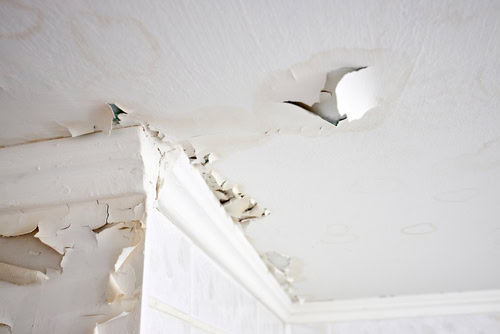
Where damp is already present, expert diagnosis is crucial. Reputable specialists will identify the source—often using moisture meters, thermal imaging, or even endoscopic inspection—before recommending the appropriate course of action. In many cases, targeted interventions such as repointing, sealing, or sympathetic re-rendering can stop the problem at its source.
Solutions should always consider the nature of the building. For period homes, breathable materials are often essential to avoid trapping moisture within traditional walls.
Protecting the Beauty and Value of Your Home
For those who invest in the aesthetics of their home—from bespoke interiors to restored architectural details—protecting that investment goes beyond visual upkeep. Understanding and preventing penetrating damp is part of a broader approach to preservation—one that honours both the beauty and the longevity of the spaces we live in.
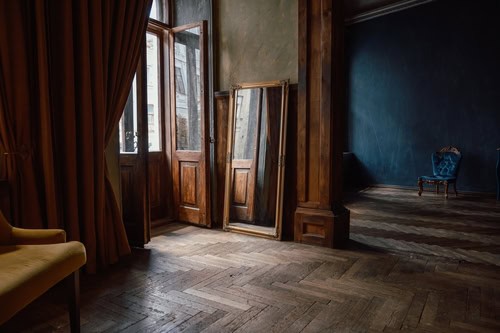
With expert guidance, early intervention, and an eye for detail, homeowners can ensure their property remains dry, elegant, and structurally sound—season after season.
Opulence Magazine: your essential guide to luxury living in the UK and beyond.


