
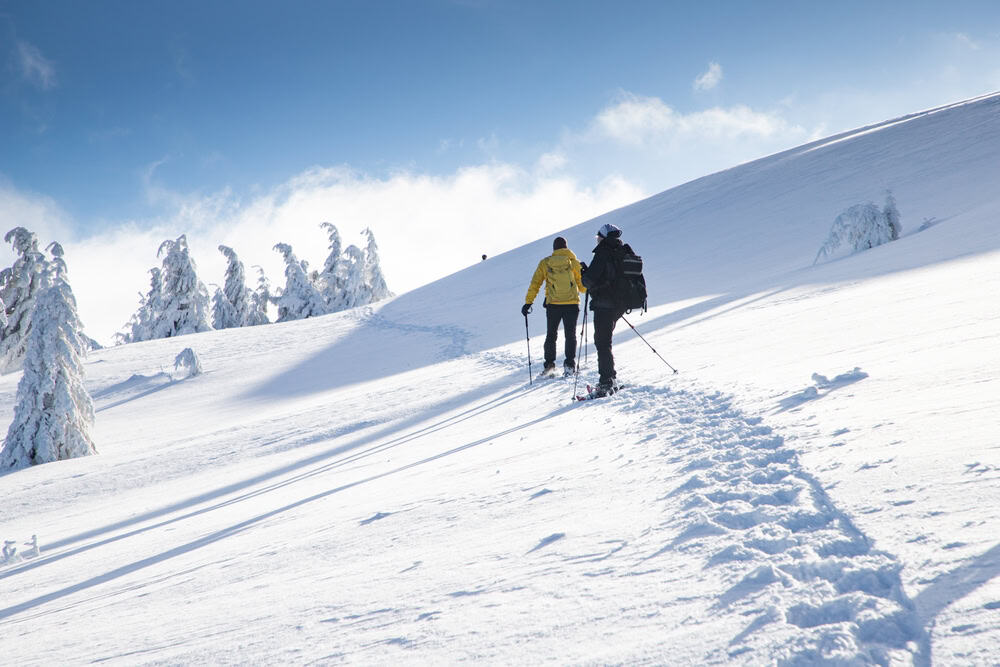
If you’re an adventurous person, the idea of going for some wild winter travel has probably occurred to you at some point. You want to get out there and see what the world is really like when things are cold and not just be stuck in your home city. But how do you make wild winter travel more enjoyable and avoid frostbitten fingers? That’s what we look at in this post.
Layer your clothing
As you might guess, winter adventure travel is all about layering your clothing. If you can stay warm and keep your extremities from freezing, then you’ll have a much more enjoyable time. In fact, in some cases, you may hardly even notice the cold.
As always, you want to start off with a proper base layer that can wick moisture from your skin. Then, on top of that, you can add a fleecy material or some sort of wool cardigan designed for the outdoors. The top layer should be either additional insulation mixed with windproofing or just windproofing alone. Make sure that whatever outer shell you choose is breathable. A lot of people make the mistake of choosing breathable inner materials but then end up with something that makes them sweat a lot when they’re on the trail. They’re either too hot or too cold.
Book a guided tour
If you’re going off-grid in cold weather, make sure you book a guided tour. Having somebody experienced with you who knows the area and can get you home safely in an emergency is absolutely vital. While this approach costs a bit of extra money, it also makes the experience more enjoyable. You don’t have to think about where you’re going as much because somebody’s already taken care of that for you.
Also, tours will bring the supplies you need. If the temperatures suddenly plummet or you get stuck in a rainstorm, perhaps you can put up a tent quickly or call for help using a GPS device. Usually, these services will have one of these.
Protect against frostbite
Frostbite and hypothermia are your biggest enemies when going on winter travel expeditions. Whenever you go outside anywhere in northern latitudes, you’re at risk of getting too cold for your body. After all, humans are tropical animals.
The first thing you want to do is know the signs of hypothermia. If you experience numbness, shivering, or confusion, it’s a sign that you need to warm up quickly. You can do this by using one of those chemical warm-up packs and emergency blankets which fold away neatly into your backpack. If you can huddle together with other people to stay warm, that’s even better. Their bodies will add warmth to yours, and vice versa.
Make sure that you cover your face and extremities in extreme cold. Your body simply can’t supply warm enough blood to them to keep them warm, especially when temperatures drop below about 5°C.
Stay in purpose-built accommodation
While adventure travelling is a good idea, staying in purpose-built accommodation is a good idea. You want to live somewhere that has the facilities you need, especially if you’re travelling off the beaten track.
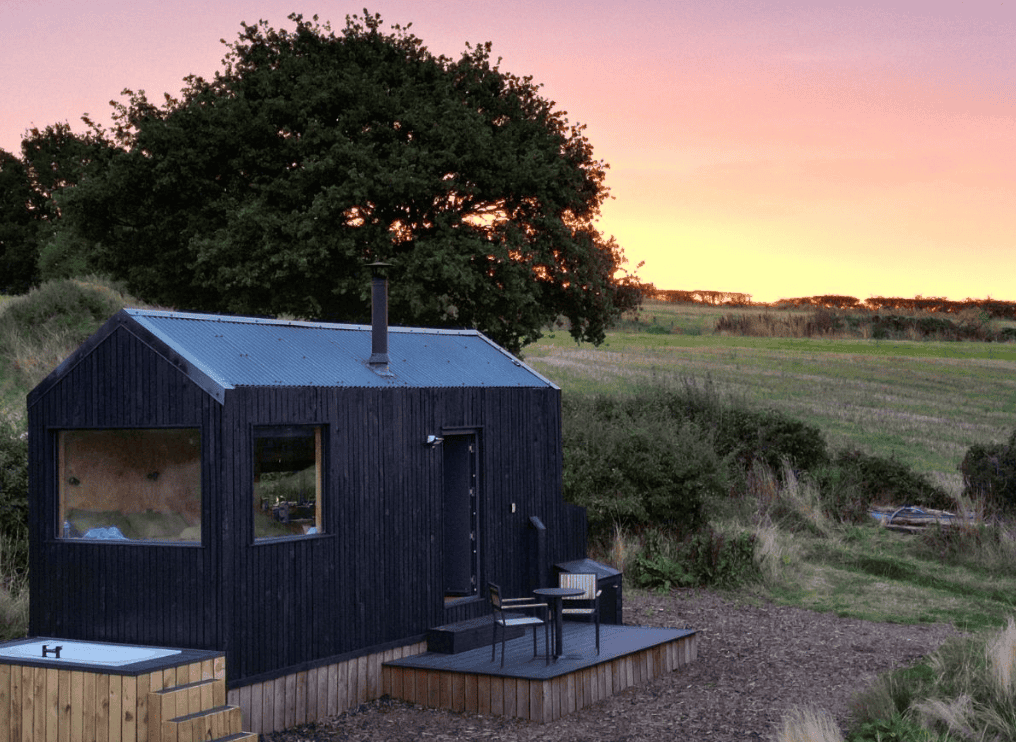

Shacks off-grid cabins are a good example of this. You want accommodation that provides you with heating, proper lighting, and places to dry out any clothes that might be wet overnight. You also need somewhere that will allow you to warm up properly.
Choose skiing destinations carefully
If you really want to have a great adventure during the winter time, then you also need to choose your skiing destinations carefully. Off-piste skiing and snowshoeing destinations are available, but you need to know where to look for them.
The best places are areas like Hokkaido in Japan and Whistler in Canada. Just make sure that whatever destination you travel to has the right avalanche beacons in place so you know where and when to avoid getting into trouble.
Embrace dog sledding
It might sound strange but the more you can embrace dog sledding, the more enjoyable your wild winter adventures will be. Dogs are at home in the cold because of their thick coats and adaptations to their paws. Many traditional societies use them in Alaska and Lapland. You can also use a snowmobile if you want something that’s a bit more reliable, but there’s nothing quite like the thrill of eight huskies pulling you along on a sled. It’s a lot of fun and reminds you of how exciting life once was for early explorers and adventurers.

Of course, if you use dog sledding, make sure you go with a company that offers it and looks after their dogs. It can be unreliable because it uses animals, so always travel on well-marked routes.
Chase the Northern Lights
One of the most fun aspects of wild winter travel is the ability to chase the northern lights. These are usually visible from the Lofoten Islands in Norway, Iceland, Finnish Lapland, parts of Greenland, and the northern tips of Canada. You won’t see them every night because they are reliant on intermittent solar winds, but there are solar wind forecasting stations that can tell you when the northern lights are most likely to appear. These manifest as green, orange, and purple spirals in the sky. You can’t miss them.
Pack your winter survival kit
Another thing you’ll want to do is pack a winter survival kit, whether you’re going skiing or driving or even trekking through the wilderness. Having extra items like flashlights, snacks, blankets, warmers, shovels, power banks, tents, and fire lighters are essential. You can also now get services that will pick you up from any location in an emergency using GPS. For example, Garmin has one of these, and they use helicopters all over the world to come and collect you.
Remember, wild winter travel isn’t for the faint of heart. You need to go fully prepared and understanding what you’re doing. It’s critical that you manage risks as much as possible. Perhaps go with a guide or someone more experienced if you haven’t done it before.
Explore more with Crave, your lifestyle magazine in the UK for food, wellbeing and travel inspiration


