

Chemical peels have long held a place in the beauty world, blending science and skincare to rejuvenate and refresh the skin. Though they feel like a modern trend, chemical peels have actually been around for decades.
Early iterations date back to the early 20th century, but the treatment truly gained popularity in the 1960s and 1970s as dermatologists and aestheticians began refining formulas to safely treat a variety of skin concerns. Over time, chemical peels moved from the dermatologist’s office to spa and salon settings, making them more accessible to the general public.
How Chemical Peels Work
At their core, chemical peels use a solution of acids to exfoliate the skin’s outer layers. Depending on the strength and type of peel, they can remove dead skin cells, promote collagen production, and stimulate cellular turnover. This process can help improve skin texture, reduce the appearance of fine lines and wrinkles, treat acne scars, and even out pigmentation.
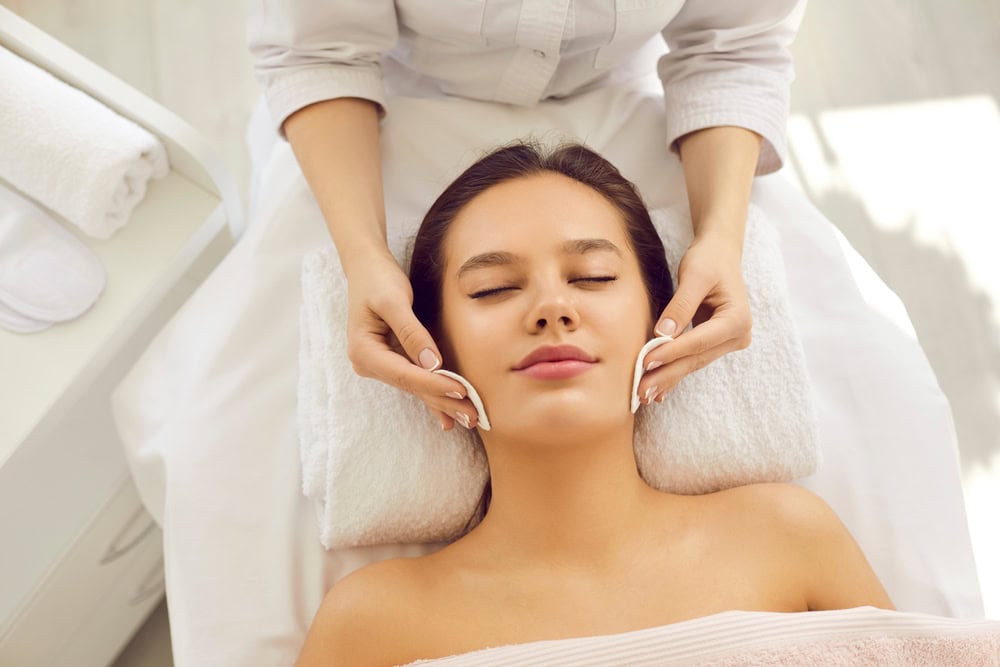
There are three main types of chemical peels:
- Superficial Peels: Usually made with alpha-hydroxy acids (AHAs) or beta-hydroxy acids (BHAs), these gentle peels target the outermost layer of skin. Minimal downtime is needed, and results include brighter, smoother skin.
- Medium Peels: Often formulated with trichloroacetic acid (TCA), these penetrate deeper to address fine lines, mild scarring, and uneven pigmentation. Recovery may take several days, during which redness and peeling are common.
- Deep Peels: Using stronger acids like phenol, deep peels are typically performed in clinical settings. They can dramatically improve skin tone and texture but require a longer recovery period and careful aftercare.
Benefits of Chemical Peels
- Skin Rejuvenation: Reveal a fresher, more radiant complexion.
- Acne & Scar Treatment: Reduce the appearance of blemishes and acne scars.
- Pigmentation & Sun Damage: Minimise hyperpigmentation and even out skin tone.
- Fine Lines & Wrinkles: Stimulate collagen production for smoother, firmer skin.

What to Expect During Recovery
Recovery depends on the type of peel you choose. Superficial peels usually involve minimal downtime — some redness or mild flaking may occur for a day or two. Medium peels may require 5–7 days of healing, with peeling and redness gradually subsiding. Deep peels can involve a longer recovery period of up to two weeks, with strict aftercare required to protect the skin from infection and sun damage.
Final Thoughts
Chemical peels are a versatile and effective treatment for a range of skin concerns, offering results that can be seen after just one session. Whether you’re aiming for a subtle glow or more significant skin renewal, consulting a qualified aesthetician or dermatologist will help determine the right peel for your skin type and goals.
UK’s Mounjaro Dependency Revealed as Global Weight Loss Drug Hotspot


