
Seed Gathering Season Begins: How to Source, Gather, and Grow with Seeds
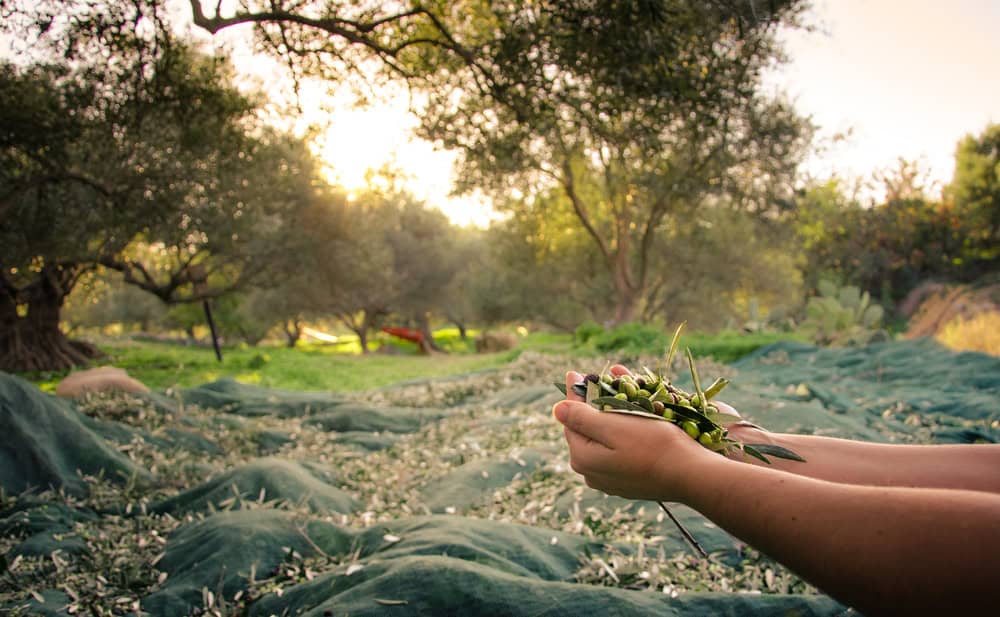
As the nights grow darker and the temperatures start to drop, marking the start of autumn, gardeners celebrate seed gathering season, a time to collect, share, and sow seeds for future growth. This period is when plants ripen their seeds, preparing them for dispersal, and it is a time-honoured tradition for gardeners and ecologists to harvest seeds from both wild and cultivated plants.
Seed gathering is one of the most rewarding traditions in the garden. Not only can it help you to save money on buying seeds from stores, but it also allows you to preserve plants, adapt them to your climate, and ensure that your favourite flowers and vegetables thrive year after year. Whether you are new to gardening or an experienced enthusiast, learning how to source, gather, and grow with seeds is an essential skill for creating a resilient, sustainable garden.
Below, gardening expert Fiona Jenkins at MyJobQuote.co.uk goes over everything you need to know…
Why Gather Seeds?
Gathering seeds from your garden has a number of benefits. Firstly, it is very cost-effective, reducing or eliminating your need to buy seeds annually. In addition to this, seeds collected from your garden are better adapted to your local environment, which means they have a better chance of thriving. Furthermore, seed gathering helps you to preserve heirloom varieties and ensures that plant diversity continues for future generations.
Choosing the Right Plants

Selecting the right plants for seed gathering is vital in ensuring a successful future harvest. Not all plants are suitable for this practice, so it is important to focus on healthy, non-hybrid varieties that are capable of germination. Heirloom and open-pollinated plants are best as they retain the characteristics of their parent plants, ensuring quality for years.
Here are some of the best flowers and vegetables for producing seeds that are simple to gather and store:
- Sunflowers: They have large, easy-to-harvest seeds that can be eaten or planted.
- Beans and Peas: Pods dry right on the plant and split open when ready.
- Tomatoes: The seeds are easy to extract and ferment for replanting.
- Marigolds: These classic flowers reseed readily with minimal effort
- Cilantro, Dill, and Basil: The herbs bolt and produce plenty of seeds for next year.
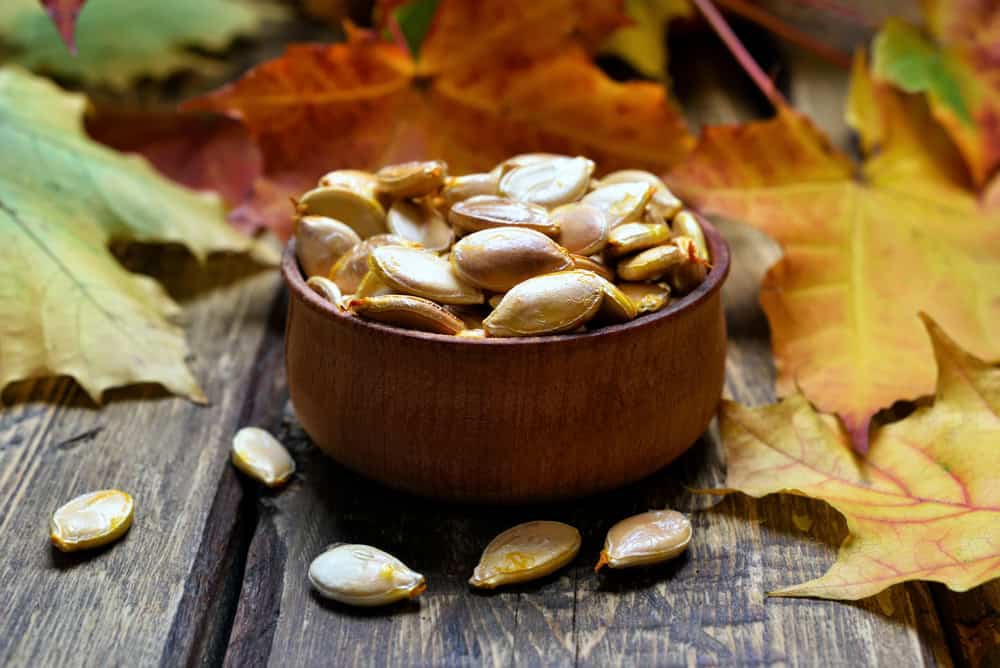
- Squash and Pumpkins: Seeds are abundant and easy to clean.
Timing is Key
Timing is crucial when it comes to seed gathering for future planting. Only gather seeds when they are fully mature to maximise their viability and germination potential. Indicators such as browning seed pods or drying flower heads are signs that the seeds are ready to harvest and will be strong enough to sprout when planted.
Ensure that you gather your seeds on a dry, sunny day to avoid moisture, which can lead to mould or rot. If you collect the seeds too early, they may not have fully developed; however, if you wait too long, you increase the risk of seeds falling to the ground or being eaten by birds or other wildlife. Seed gathering season typically runs from late September through early November.
How to Collect Seeds
Seed gathering promotes biodiversity and allows gardeners to adapt their plants to local conditions. By repeatedly planting seeds gathered from successful crops, you create a garden ecosystem that is tailored to your specific climate and soil. The process is simple but requires careful attention and timing, and understanding the proper methods will greatly increase your garden’s chances of future success.
Here is how to collect seeds from common plants:
- Flowers: For flowers such as marigolds and zinnias, wait for the flowers to fade and the seed heads to develop. Once they are dried, you can gently break apart the seed heads and collect the seeds.
- Vegetables: Beans, peas and tomatoes are all great for seed gathering. For beans and peas, allow them to dry in their pods on the plant until the pod turns brown, and for tomatoes, scoop out the seeds and gel and let them ferment in water for a few days before cleaning.
- Herbs: Basil and dill are easy to collect – simply allow the flowers to go to seed, then shake the stalks into a container to gather the seeds.
Cleaning, Drying, and Storing Seeds
Once you have gathered your seeds, clean and dry them to ensure they stay viable. To completely dry them, place them on a tissue or paper towel in a well-ventilated area, away from direct sunlight. Proper drying will help to prevent mould and increase seed viability.
Proper storage is essential for maintaining your seeds and allowing them to grow in future. Here are some good tips:
- Airtight Containers: You can store your seeds in airtight glass jars or plastic bags. Label them with the plant name and collection date for when the time comes to replant.
- Cool, Dry Areas: A refrigerator is a perfect storage location, but it is important to ensure that the seeds are kept in moisture-proof containers.
- Silica Gel: Adding a silica gel packet to your seed storage containers can help to absorb any excess moisture.
Growing New Seedlings from Saved Seeds
Growing seedlings from the seeds that you have gathered requires careful attention to planting depth, soil quality, watering, temperature and light. Use a sterile seed starting mix that is light and well-draining as well as free of pathogens and weed seeds. Container options for sowing your seeds include seed trays with cells, small pots or biodegradable peat pots, and recycled containers with drainage holes.
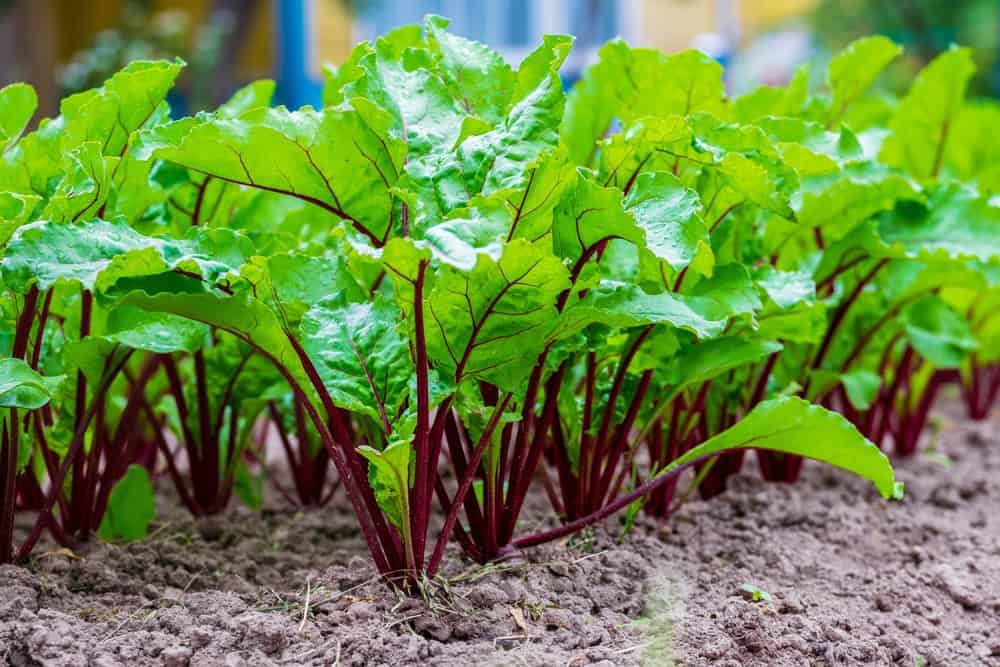
Sow seeds around 2-3 times the diameter of the seed deep and moisten the soil gently. Cover with a plastic dome or cling film to retain moisture until germination and keep in a warm area. Once seedlings emerge, aim for 12-16 hours of daily light exposure and water carefully to keep the soil moist but not soggy.
When true leaves appear, thin seedlings by snipping weaker ones at the soil line to ensure that the stronger ones have room to grow. Around two weeks before transplanting outdoors, gradually expose the seedling to outdoor conditions, starting with a few hours in the shade and increasing exposure to sunlight and wind daily.
Final Thoughts
Seeds are not just garden starters – they are the foundations of nature’s future. Gathering and saving seeds helps to preserve heirloom plant varieties that might otherwise be lost and offers gardeners resilience against changing climates. Start gathering now and look forward to bountiful harvests for years to come!
Opulence Magazine – the luxury magazine UK readers turn to for curated style, travel and fine living.


