
Expert Tips: Why Rainwater Is the Best Choice for Your Plants
With parts of the UK in drought, hosepipe bans being announced, and the country just coming out of its third heatwave, this week’s cooler, rainy weather is a much-needed break for gardens.
As such, Eflorist has shared expert advice from David Denyer, their flower and garden specialist with over 35 years of experience. He explains:
- Why rainwater is so beneficial
- How to collect and use it safely
- Which plants will benefit the most after hot, dry weather
David on why rainwater is a gardener’s best friend during drought and bans:
“Rainwater is one of the best things you can use to water your plants. It is naturally soft and slightly acidic, which is much closer to what many plants are used to in the wild.
“In comparison, tap water often contains added chemicals like chlorine and fluoride, as well as minerals like calcium and magnesium. Over time, these can build up in the soil and cause issues, meaning you may notice yellowing leaves, brown tips, or salt crusts on the surface.
“And after a spell of hot, dry weather like we’ve had recently, plants can become slightly dehydrated and their nutrient uptake can slow down. Rainwater is ideal at this time because it rehydrates plants gently and delivers minerals in a form that is easier for roots to absorb.
“During a ban, every bit of water counts. Collect rainwater whenever possible, and save ‘grey water’ from your washing-up or bath for your plants, just make sure it’s cooled and free from any harsh chemicals.
“By using water carefully and recycling wherever possible, you can keep your garden looking good, even when the weather is working against you.”
On which plants will benefit most from this week’s rain:
“Bedding plants, seedlings, and newly planted flowers are some of the first to struggle in a sudden heatwave. Their roots haven’t had time to grow deep, so they can dry out fast or start wilting if the soil warms up too quickly. Even hardy perennials like delphiniums or lupins can struggle if they’ve only just been planted.
“Established garden favourites like roses and hydrangeas may also show signs of stress, especially if the soil around them is already dry.
“These outdoor plants will make the most of the rain at this time of year. Fresh rainwater helps replenish their soil without the risk of chemical buildup, supporting stronger root systems and healthier summer growth.”
On how to collect and use rainwater safely (and what to watch out for):
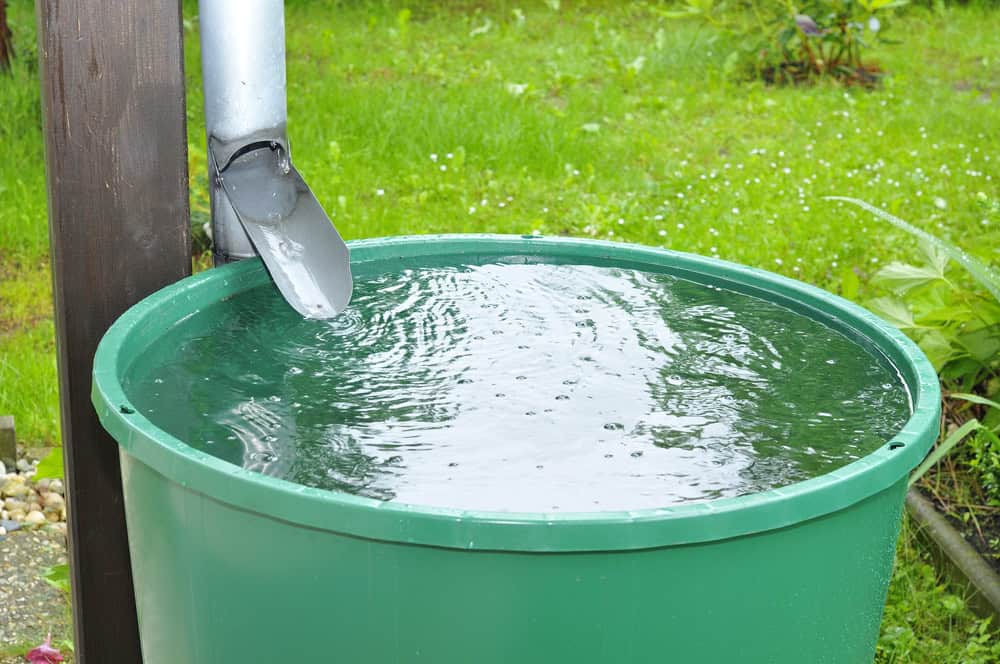
“If you are collecting rainwater, keeping it clean is key. Use a container with a lid or a fine mesh cover to stop leaves, insects, and algae from getting in. Rainwater in a container that has been left open for too long can stagnate, especially in warm weather, so it is best to use it fairly soon after collecting or store it somewhere cool and covered.

It is also important to consider where your rainwater is coming from. Water that runs off of your roof or from gutters may carry contaminants that could harm your plants. For indoor use especially, it is safest to stick to clean, freshly collected rainwater.
It’s always best to avoid using anything that’s had soap or detergent in it, as residue can harm sensitive plants.
If you’re just collecting a bit of rainwater for houseplants, something as simple as a clean pan or basin left outside while it’s raining will do the job nicely. But if it’s something you plan to do regularly, it’s worth investing in a proper water butt or lidded container, as these help keep the water clean and make it easier to collect enough for outdoor plants too.”
Opulence Magazine – the luxury magazine UK readers turn to for curated style, travel and fine living.


