

As the UK summer brings rising temperatures, there’s also a rise in the cost of Mounjaro (tirzepatide), a popular weight-loss and type 2 diabetes medication.
Starting September 1, 2025, prices for the highest doses are set to increase significantly, prompting many to consider their options. Whether you’re currently taking Mounjaro or thinking about starting, it’s worth understanding why costs are going up and exploring potential alternatives that suit both your health goals and your budget.
Why Is Mounjaro’s Price Increasing?
The price adjustment aligns UK costs with those in other developed countries. Initially, Mounjaro was priced lower in the UK to facilitate early access. However, Eli Lilly now cites new clinical data and market changes as reasons for the increase.
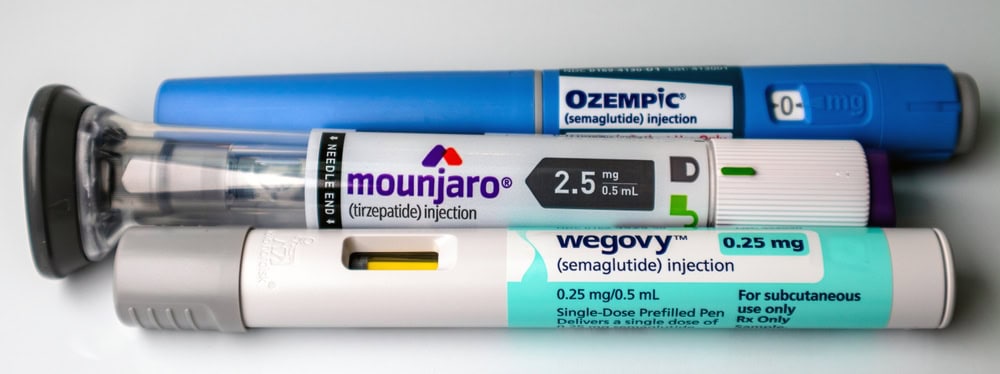
Alternatives to Mounjaro
If you’re concerned about the upcoming price increase, consider these alternatives:
1. Wegovy (semaglutide)
- Manufacturer: Novo Nordisk
- Indication: Weight loss and type 2 diabetes management
- Average Monthly Cost: Approximately £99.99
- Efficacy: Similar to Mounjaro, Wegovy has demonstrated significant weight loss benefits.
2. Ozempic (semaglutide)
- Manufacturer: Novo Nordisk
- Indication: Primarily for type 2 diabetes; off-label use for weight loss
- Average Monthly Cost: Comparable to Wegovy
- Note: Some patients have reported side effects with Ozempic; consult with a healthcare provider before switching.
3. Retatrutide (NOT YET APPROVED)
- Manufacturer: Eli Lilly
- Indication: Weight loss and type 2 diabetes management
- Availability: Currently in clinical trials; not yet approved for general use

NHS Access and Support
The NHS has secured a separate agreement with Eli Lilly to provide Mounjaro at a reduced cost for eligible patients. Eligibility criteria include a BMI of 40 or more (or 37.5 for certain ethnic groups) and three or four obesity-related health conditions. From April 2026, the threshold will expand to include those with a BMI of 35.
Going It Alone? Tips to Support Appetite Control Naturally
With Mounjaro becoming less accessible for some due to rising costs, many are exploring ways to manage weight independently. The medication’s primary effect is appetite suppression, so focusing on foods and habits that naturally help you feel full can be effective.
High-protein meals, such as eggs, lean meats, Greek yogurt, and legumes, can curb cravings and prolong satiety. Incorporating fiber-rich foods like oats, whole grains, fruits, and vegetables also slows digestion and keeps hunger at bay. Staying hydrated and drinking water before meals can help reduce portion sizes, while mindful eating—savouring each bite and avoiding distractions—can prevent overeating. Additionally, small, frequent meals or healthy snacks can maintain energy levels and prevent sudden hunger spikes, mimicking some of the appetite-suppressing effects of medications like Mounjaro.
Final Thoughts
The upcoming Mounjaro price increase may affect many individuals relying on the medication. It’s essential to consult with a healthcare provider to discuss alternative treatments and determine the best course of action based on individual health needs and financial considerations.
Are You Drinking Enough Water? Experts Break Down the Real Numbers


