
Do You Need Planning Permission for Solar Panels? Experts Explain
Solar panels are now a regular feature on rooftops across the UK—whether in cities, suburbs, or rural areas. What was once considered a niche option has become a common way for households to save on energy bills and lower their carbon footprint.
Still, many homeowners aren’t sure if they need planning permission to install them. The good news, according to the experts at Grant Store, is that the rules are usually simpler than you might expect.
“In most cases, installing solar panels on your home does not require planning permission thanks to permitted development rights,” say the team at Grant Store. “This makes it easier than ever for households to adopt renewable energy without unnecessary delays.”
If you’re considering solar panels and want to avoid running into red tape, here’s what you need to know.
Do You Need Planning Permission for Solar Panels?
The short answer is: usually not. Under Class A of the General Permitted Development Order (GPDO), most homes in England, Wales and Scotland can have solar panels installed without applying for planning permission.
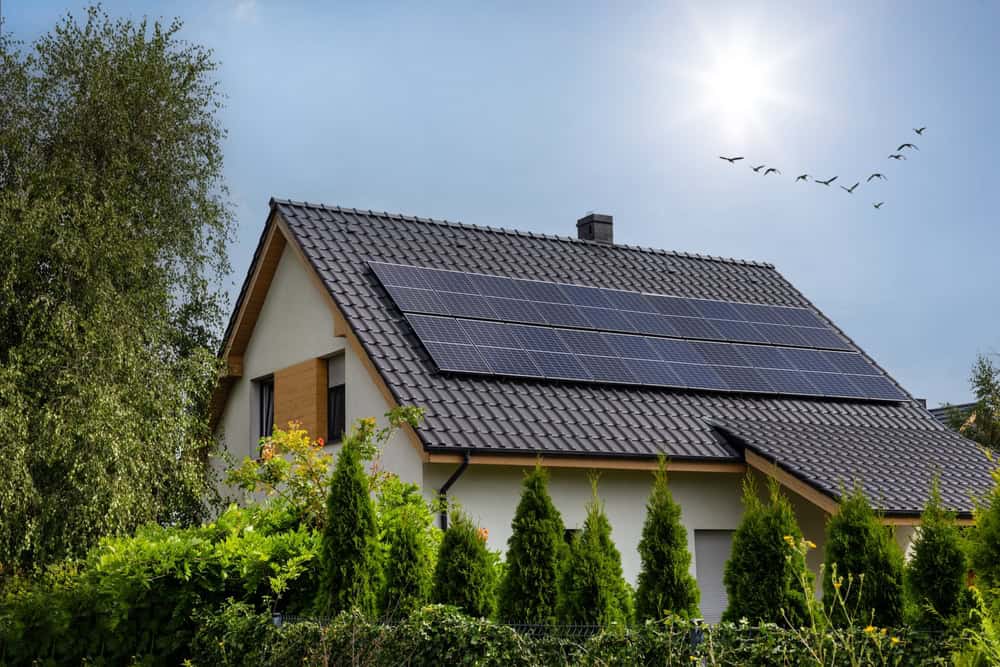
“Permitted development rights cover most houses and bungalows, whether the panels are fixed to the roof or mounted within the property’s boundary,” explain the experts at Grant Store.
However, flats, maisonettes, and listed buildings are not always covered, and those living in protected areas may still need approval. If you’re unsure, it’s best to check with your local planning authority before starting any work.
“Permitted development simplifies the process for the majority of homeowners, but it’s important to understand the limits. Consulting with a professional early on can save time and money.”
What Are the Restrictions?
Even though most homeowners won’t need full planning permission, there are still important conditions to be aware of. These are particularly relevant for those living in designated areas.
“If your property is in a Conservation Area, a National Park or a World Heritage Site, extra rules apply – especially if you’re installing panels on a flat roof,” say Grant Store’s experts. “In these areas, prior approval from the council may be required.”
For listed buildings or scheduled monuments, full planning permission and listed building consent will always be required. The panels must also be positioned to minimise the visual impact.
“That doesn’t mean it’s impossible, but you’ll need a more detailed application and potentially some design adjustments to gain approval.”
A change to UK planning law in December 2023 has also helped ease restrictions for flat-roof installations. Panels can now project up to 0.6 metres above the highest part of the roof, excluding chimneys.
“That small update has made a big difference for homes with flat roofs, offering much-needed flexibility,” the team notes.
What If Permitted Development Doesn’t Apply?
If your property falls outside the scope of permitted development, you will need to apply for planning permission – but that shouldn’t be seen as a major obstacle.
“We’ve helped homeowners in sensitive locations secure planning permission for both roof-mounted and ground-mounted systems,” Grant Store explains. “It’s about providing a strong case and ensuring the design respects the surroundings.”
For homes where roof-mounted panels are not feasible, ground-mounted systems are often a practical alternative.
“Class B of the GPDO allows stand-alone panels to be installed in gardens or grounds, provided they meet height and distance rules,” the team adds. “As of the 2023 update, ground-mounted panels in conservation areas can now be installed closer to highways, as long as they don’t exceed two metres in height and meet prior approval conditions.”
Can Neighbours Object to Solar Panels?
Another common concern is whether neighbours can block your installation by raising objections. The short answer is ‘no’ – provided your installation complies with permitted development rules.
“If your project falls within permitted development, objections from neighbours cannot stop you from proceeding,” say the experts at Grant Store. “However, we always recommend informing neighbours in advance as a courtesy. Open conversations can go a long way toward avoiding friction.”
In some cases, small adjustments such as changing the panel angle or layout may help ease any visual concerns they raise.
Do Building Regulations Apply?
Yes. Even if you don’t need planning permission, your installation must comply with building regulations – particularly when it comes to structural integrity and electrical safety.
“A certified installer who is part of a Competent Person Scheme will be able to self-certify that your installation meets building regulations,” Grant Store explains. “This saves homeowners time and ensures the work is signed off properly.”
Trying to install solar panels without following building regulations could cause issues later, especially when selling your property.
Can You Install Solar Panels Yourself?
DIY solar kits are now available, and some confident homeowners consider taking on the job themselves. These kits typically include everything needed to get started – but going it alone carries risks.
“If you’re not experienced with electrical or roofing work, we strongly advise using a qualified installer,” say the team. “You’ll still need to notify Building Control or have the work inspected, and poor installation can affect your home’s safety and resale value.”
Before making any investment in solar, they recommend taking a broader look at your home’s energy efficiency.
“Solar panels are an excellent option, but insulating your home properly can significantly boost the impact and lower your bills even further.”
Opulence Magazine: your essential guide to luxury living in the UK and beyond.


