
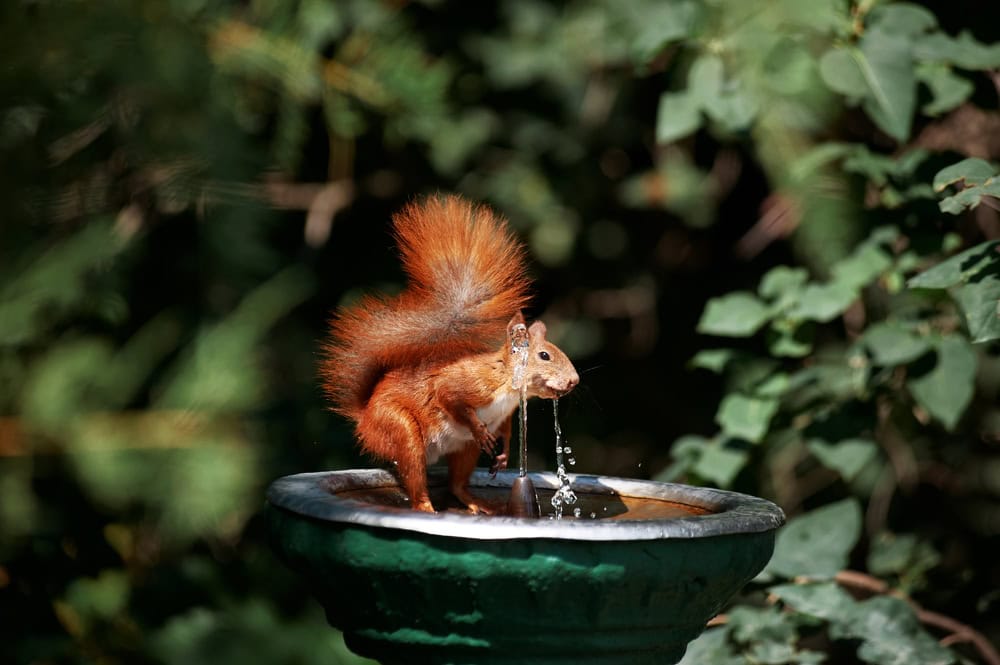
Picture your garden becoming a beautiful haven of nature. Birds sing sweetly from high in the branches, butterflies flutter around colourful flowers, and cute critters burrow in every nook and cranny.
Inviting wildlife to your garden is not only fun, but it has a range of benefits, including boosting plant growth, protecting the environment, and reducing your personal stress and anxiety. Here are some tips from gardening expert Fiona Jenkins at MyJobQuote.co.uk for creating the perfect wildlife paradise in the space of your own garden!
Understand Your Local Wildlife
The first step to attracting local wildlife into your garden is to research what species are native to your area and what types of habitats they prefer. Local wildlife organisations or even a simple search on the internet can help you to identify all of the critters that could benefit from your garden.
Take a look at what you already have – Which plants are already growing? Is the soil sandy and rich? How much sunlight does your garden receive on an average day? These factors will guide your choices and provide a starting point for thinking about how you can improve the area to make it more wildlife-friendly.
Plant Native Trees and Shrubs
Grow a range of trees, shrubs, climbers, and bushes that can provide sources of food and shelter for wildlife. Larger plants, especially trees, support more wildlife and provide cover and nesting sites for insects, birds, and other garden critters.
Plants also serve as a fantastic food source. They offer berries, nuts, and seeds that local wildlife love. Small trees and shrubs that are good for blossom and berries include rowan, crab apple, and hawthorn. Fruit trees can also provide food for wildlife whilst supplying you with a bountiful harvest.
Create a Pollinator Garden
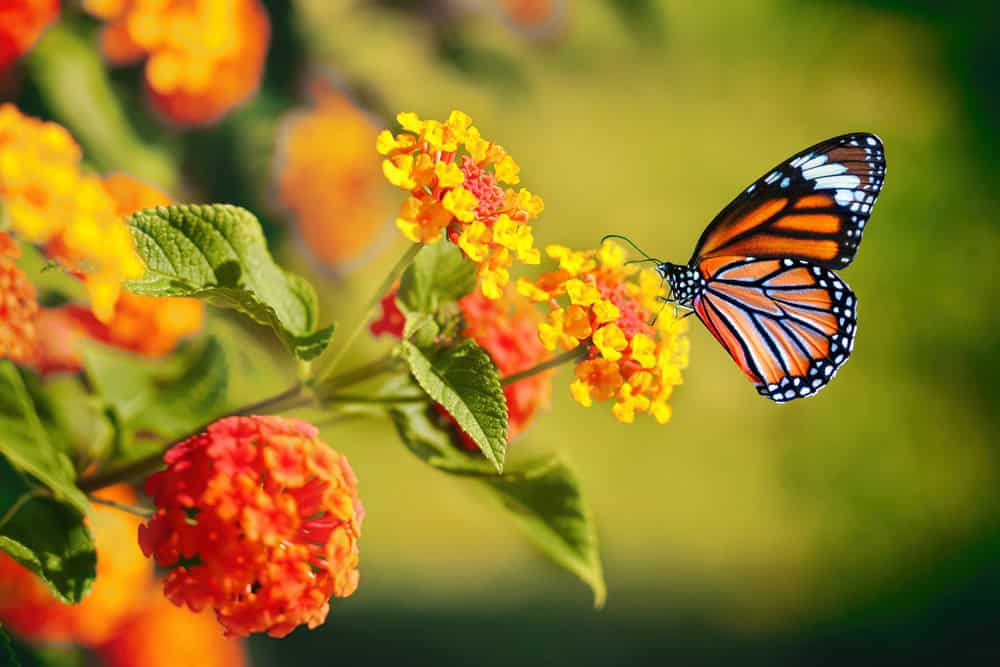
Bees, butterflies, and other pollinators are vital in keeping our ecosystems healthy and thriving. Flowers provide pollen and nectar for our pollinator friends, which will allow them to perform the important task of fertilisation. Without this process, seed and fruit production would drop dramatically.
Choose plants that provide pollen and nectar for as long a season as possible. Most double flowers are of little use to bees as they struggle to access the central part of the flower where the pollen and nectar are found, so opt for the single-flowered varieties. Purple plants such as lavender and buddleia are perfect, as this is the colour that bees can see most easily.
Don’t Over-Tidy
This doesn’t mean that you need to leave your garden in a complete mess, but leaving small piles of leaves and twiggy debris can provide food and habitats for a number of species. The hollow stems of uncut perennials can provide great winter shelter for hibernating insects, as can piles of stones for reptiles and amphibians.
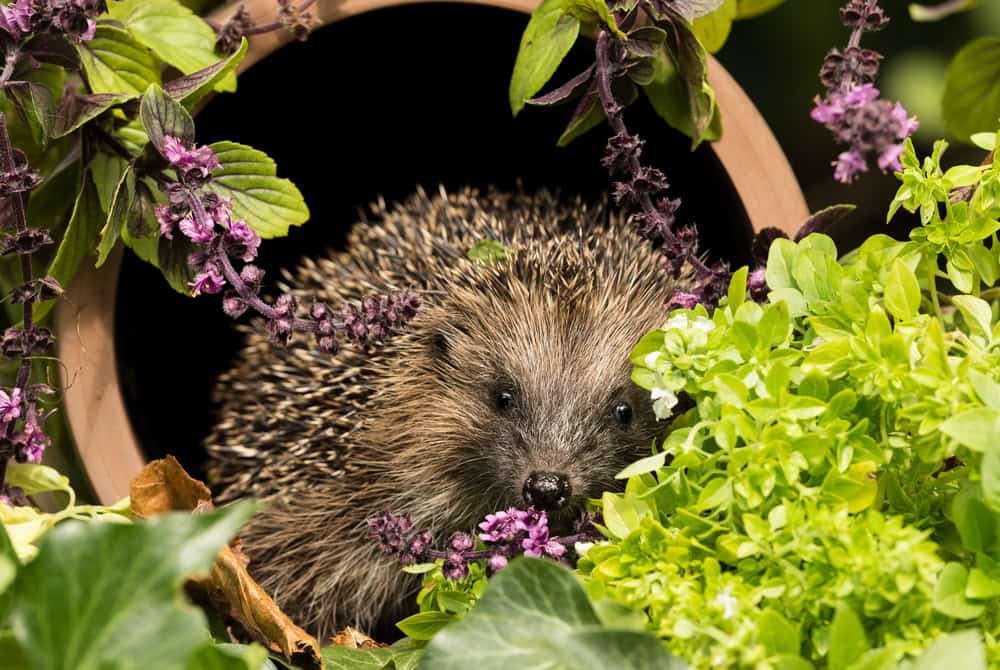
It is also an excellent idea to leave a pile of deadwood as decaying wood provides habitats for a number of species that are in decline, such as stag and bark beetles. It also provides good cover and hibernation sites. Log piles can be tucked out of the site but could even be used as a rustic architectural feature in your garden.
Feed the Birds
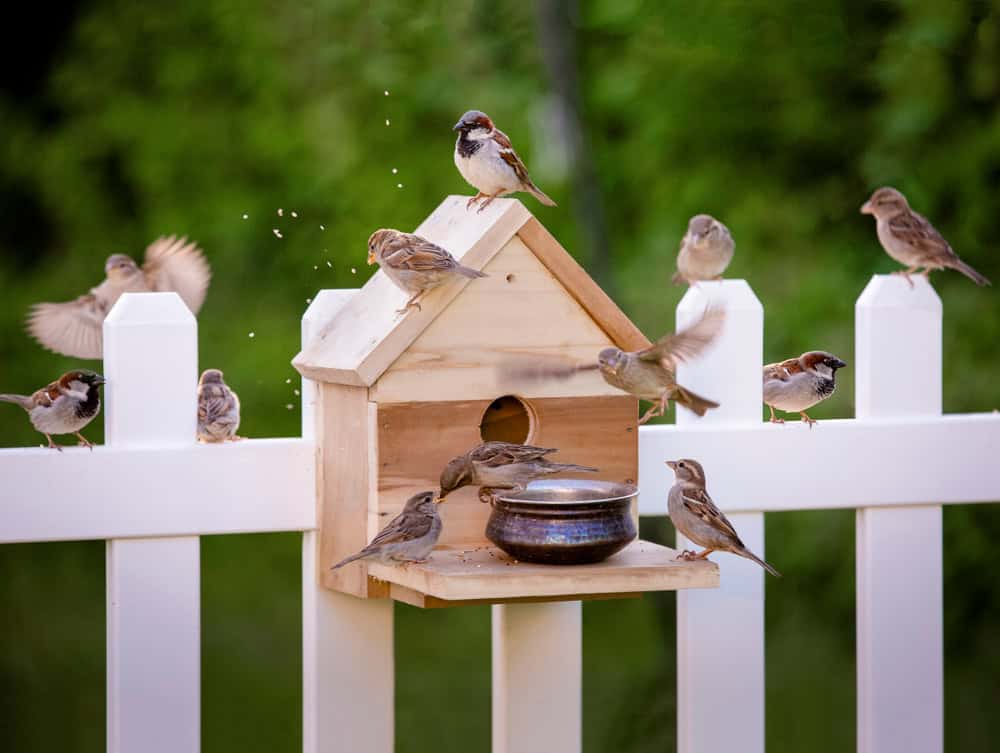
Garden birds are beloved by many wildlife enthusiasts and are easy to attract with supplementary feeding. During the winter months, gardeners providing food that they may struggle to source from elsewhere can be the difference between life and death for our feathered friends.
Ideally, it offers a varied mix of food, including seeds, sunflower hearts, peanuts, kitchen scraps, and fat balls, as well as constant access to fresh, clean water. Ensure that bird tables and feeders are out of reach of cats, foxes, and other mammals that could use it as an opportunity to attack.
Compost
Composting your garden waste helps your garden plants and wildlife, as it speeds up the natural recycling of nutrients. Compost makes for healthy soil, which is good for everything living in it, is an excellent mulch, and is free and easy to produce.
In addition to adding nutrient-rich compost to your soil to promote healthy plant growth, keeping a compost heap in a discrete area of your garden is great for wildlife. Many small creatures, and even some larger ones such as grass snakes, will enjoy the heat released by decomposition and make the compost heap their snug shelter.
Sustainable Gardening
In simple terms, sustainability means minimising your use of finite resources, such as oil and peat, and instead opting for those that are continually produced by natural processes. This includes power from wind turbines, using your own compost, etc.
Using sustainably sourced wood furniture, recycling wherever you can, and saving as much water as possible all contribute to sustainable gardening. It is also important to avoid the use of synthetic pesticides that can be toxic to the bees and butterflies we want to encourage, as well as being extremely energy-intensive to produce.
Add Water
The easiest way to add wildlife value to a garden is to install a pond – this could refer to a large dug-out pond or even a small makeshift one built from an inverted dustbin lid or wash basin! Giving your pond one sloping side or shallow edges will allow creatures easy access and ensure that they can get out again.
A garden pond can attract a range of wildlife, from frogs and toads to dragonflies and herons. A small, shallow or running water feature can also provide water for birds and other insects. Place in an area that you can easily see, both for enjoyment value and to allow you to keep an eye out for predators.
Final Thoughts
Inviting wildlife into your garden is an enriching experience. You’ll get the joy of watching nature up close, as well as helping local species. By providing food, water, and shelter whilst avoiding anything that could cause harm to creatures, you can begin to build your beautiful haven of wildlife. Your garden (and the creatures in it) will thank you!
FIONA JENKINS
FionaJenkins is a UK-based landscaper with over twenty-five years of experience in the industry. As a gardening expert for MyJobQuote, one of the UK’s top trades-matching sites,Fiona offers her expert advice to MyJobQuote’s tradespeople and homeowners and has also been featured as a gardening expert for a range of reputable publications.


