

Home efficiency has become a cornerstone in creating sustainable and comfortable living spaces. By understanding the importance of efficient energy use, one can save money and contribute positively to the environment. Improving home efficiency not only reduces utility bills but also minimises the carbon footprint. Fortunately, there are straightforward and cost-effective ways to upgrade a home’s efficiency. This guide aims to help you enhance your home’s efficiency effortlessly with just a few simple upgrades.
Understanding Home Efficiency
Home efficiency refers to how well a home utilises energy to perform its functions effectively, which includes heating, cooling, lighting, and appliance operation. The primary goal is to use fewer resources while maintaining comfort and convenience. When homes consume excess energy, it impacts both the environment, through increased greenhouse gas emissions, and personal finances with higher utility bills.
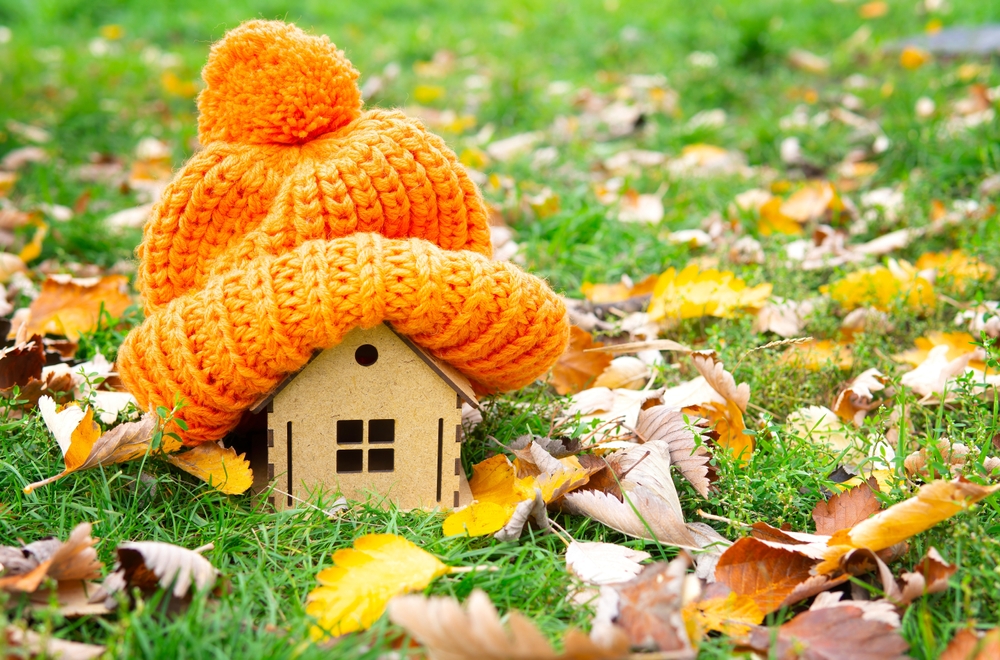
Common indicators that a home may lack energy efficiency include drafty rooms, fluctuating temperatures, and excessive energy bills. An energy audit can be a great way to assess your home’s energy consumption. These audits identify areas where improvements can be made, ensuring your home operates as efficiently as possible.
Upgrading Insulation and Sealing Air Leaks
Proper insulation is crucial for maintaining energy efficiency, as it helps regulate indoor temperatures. Insufficient insulation or unchecked air leaks can lead to heat loss during winter and excess heat gain in summer. Identifying areas prone to air leaks, such as doors, windows, and attics, is the first step in addressing inefficiencies.
Different types of insulation, including fibreglass, foam board, and spray foam, are suitable for distinct areas within a home. For those eager to tackle these upgrades themselves, sealing leaks can often be achieved using caulk or weatherstripping. Adding or upgrading insulation in walls and attics is another effective approach to retaining temperature and reducing energy costs.
Implementing Smart Home Technology
Smart home technology offers innovative ways to reduce energy consumption. Smart thermostats learn your heating and cooling preferences and adjust automatically, ensuring energy isn’t wasted when no one is home. They can lead to substantial energy savings throughout the year.

Moreover, smart lighting allows you to control lights remotely, so you can ensure they’re turned off when not needed. Smart plugs also help in monitoring and managing appliance usage effectively, allowing appliances to be turned off when not in use. These smart technologies are relatively simple to install and provide a pathway to significant energy savings.
Enhancing Heating and Cooling Efficiency
Heating and cooling account for a large portion of household energy use. To maintain efficiency, it’s crucial to regularly service your HVAC system and replace filters as needed. Clean and well-maintained systems operate more efficiently and last longer, saving both energy and maintenance costs.
Simple upgrades such as installing programmable thermostats can further optimise energy use. Ceiling fans also help circulate air, making heating and cooling systems more effective. Utilising natural ventilation by opening windows and using shading devices such as blinds can also reduce the load on heating and cooling systems.
Conserving Water with Simple Upgrades
Water conservation is another aspect of home efficiency worth considering. Installing low-flow faucets and showerheads reduces water usage without sacrificing performance.
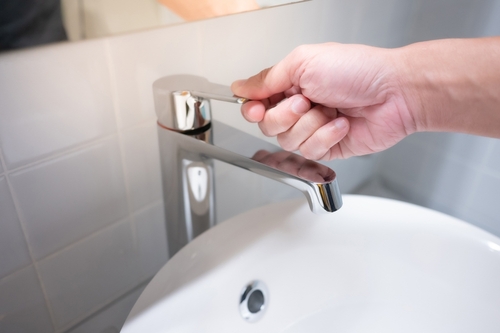
An often-overlooked way to save water is by promptly fixing leaks, which can prevent litres of water waste daily. For those looking to take the next step, rainwater harvesting systems can capture and reuse rainwater for gardening or other non-potable uses. Implementing water-saving practices in everyday routines also contributes to substantial savings over time.
Transitioning to Energy-Efficient Appliances
Switching to energy-efficient appliances is a surefire way to enhance home efficiency. Understanding energy ratings can help decide which appliances to replace first. Appliances with higher star ratings typically consume less energy and can lead to considerable savings in the long run.
Prioritising upgrades for major energy consumers like refrigerators, dishwashers, and washing machines is key. When replacing appliances, it’s important to consider responsible recycling of the older ones. Reducing energy costs with efficient water heating is necessary too, especially when choosing new water heaters.
Conclusion
Improving your home’s efficiency offers numerous benefits, from reduced utility bills to increased comfort and less environmental impact. Starting with a couple of simple upgrades can lead to significant improvements in the long run. By taking action now, homeowners can enjoy the advantages of an efficient home both financially and ethically, setting a solid foundation for a sustainable future.


