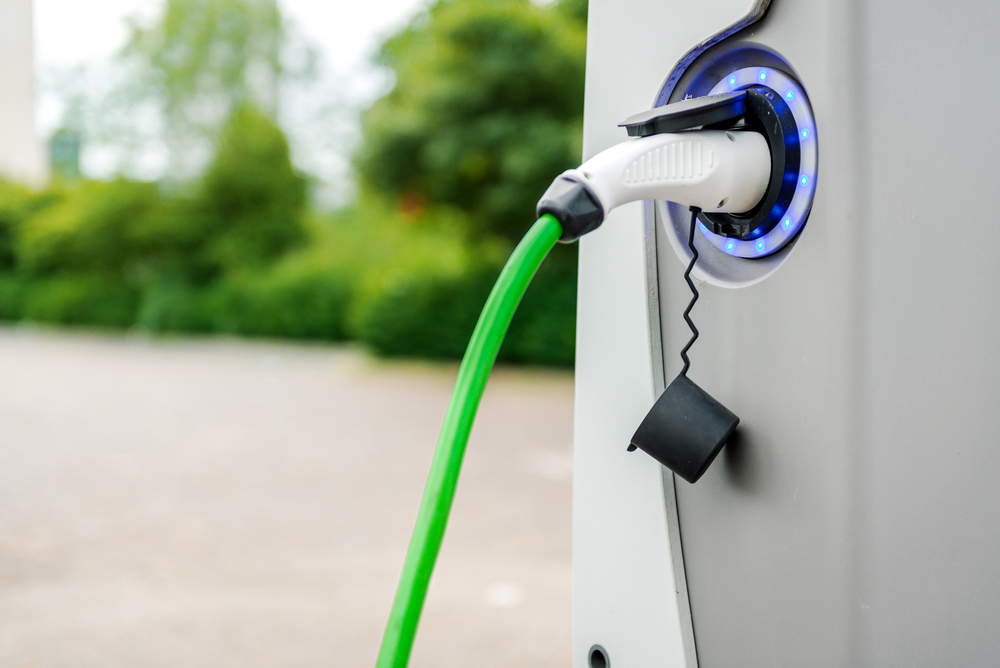
The electric age of the automotive industry is in full swing and with the increase of electric vehicles (EVs) on the road, the need for different types of EV charging cables is also growing. These cables are crucial to charging an EV and it is important to understand how they work and what the differences are. In this article, we take a deep dive into the world of EV charging cables and examine the different types available.
Charging cables are more than just wires that transfer power; they are the connection point between the EV and the power source. Choosing the right type of cable is not only a matter of compatibility, but also of charging speed and efficiency. Therefore, it is essential to know the specifications and features of each type.
What is type 1 charging cable?
Type 1 charging cable, also known as SAE J1772 or Yazaki, is one of the oldest standards for charging electric vehicles. This connector was mainly used in the United States and some Asian countries. It is a five-pin connector designed for single-phase charging stations with a maximum of 7.4 kW. However, this type has become less common as preference has shifted to other standards.
Most charging stations in Europe now offer Type 2 connectors, but Type 1 remains relevant for certain models and brands. If you own an EV with a type 1 connection, you should make sure you always carry the correct cable, as adapters are not always available or allowed at public charging stations.
What is type 2 charging cable?
The charging cable type 2, also known as Mennekes, is the standard in Europe and is increasingly used around the world. This connector can handle both single-phase and three-phase electricity, making it possible to charge at higher speeds. Depending on the capacity of the charging station and EV, a Type 2 cable can support charging speeds of up to 43 kW at alternating current (AC).
Type 2 charging cables feature a seven-pin connector and have a locking mechanism that prevents the cable from coming loose during charging. This provides an extra layer of security and peace of mind. In addition, the Type 2 system is designed to allow communication between the vehicle and charging station, enabling smart charging and optimization of the charging process.
The versatility of Type 2 cables makes them ideal for home charging and public charging. They are compatible with most new EVs and are the standard choice for many car brands in Europe. If you purchase an EV, chances are you will need a type 2 charging cable.
What is type 3 charging cable?
Type 3 charging cable is a less common standard that was mainly used in Italy and France. It has a similar design to type 2, but with a different pin configuration and a built-in lock that can only be unlocked with a special key. This additional security feature was intended to prevent unauthorized use and vandalism.
Type 3 cables come in different versions, with Type 3A intended for single-phase and Type 3C for three-phase charging systems. Although it offers a safety advantage, the complexity of the Type 3 connector has limited its adoption, and many countries have opted to use the more standardized and user-friendly Type 2 connector.
Chademo charging cables
Chademo is a charging standard originally from Japan that stands for “Charge de Move,” which means as much as “charging while moving.” It is one of the first standards for fast charging and uses a separate connection in addition to the traditional AC charging port on vehicles. Chademo cables can achieve very high charging speeds, often up to 50 kW and in some cases up to 100 kW, allowing EVs to be charged up to 80% in as little as 30 minutes.
Chademo charging cables are equipped with a complex connector capable of safely transferring large amounts of electric current. They also have the ability to communicate with the vehicle to manage the charging process, monitor battery temperature and optimize charging speed. These features are important because fast charging can put additional stress on the battery.
Mobile charging cable for Schuko socket: What is it?
A mobile charging cable for a Schuko socket is a convenient solution for EV drivers who want to be able to charge on the go without depending on specific charging stations. ‘Schuko’ is short for ‘Schutzkontakt,’ a type of socket widely used in Europe. These cables are designed to fit directly into a standard household outlet and provide a flexible charging option for EV users.
These mobile charging cables usually have built-in power conversion and security features that ensure the vehicle can be safely charged even at slower speeds. They are usually limited to a charging capacity of about 2.3 kW, which means that fully charging an EV can take a significant amount of time. Nevertheless, they are ideal for emergency situations or as a temporary charging option.
Mobile charging cable for power current (CEE): A detailed look
A mobile power charging cable, also known as a CEE charging cable, is designed for use with industrial-type outlets that provide higher power than standard household outlets. These CEE outlets are often found in campgrounds, marinas and industrial settings. With a CEE charging cable, EV drivers can benefit from faster charging than with a standard Schuko outlet.
CEE charging cables can be connected to different types of CEE outlets, ranging from 16A to 32A, providing more flexibility in charging power. Depending on the type of CEE outlet and the capacity of the EV, these cables can offer charging speeds of up to about 22 kW. This means they can charge an EV much faster than with a Schuko cable.
Spiral charging cables
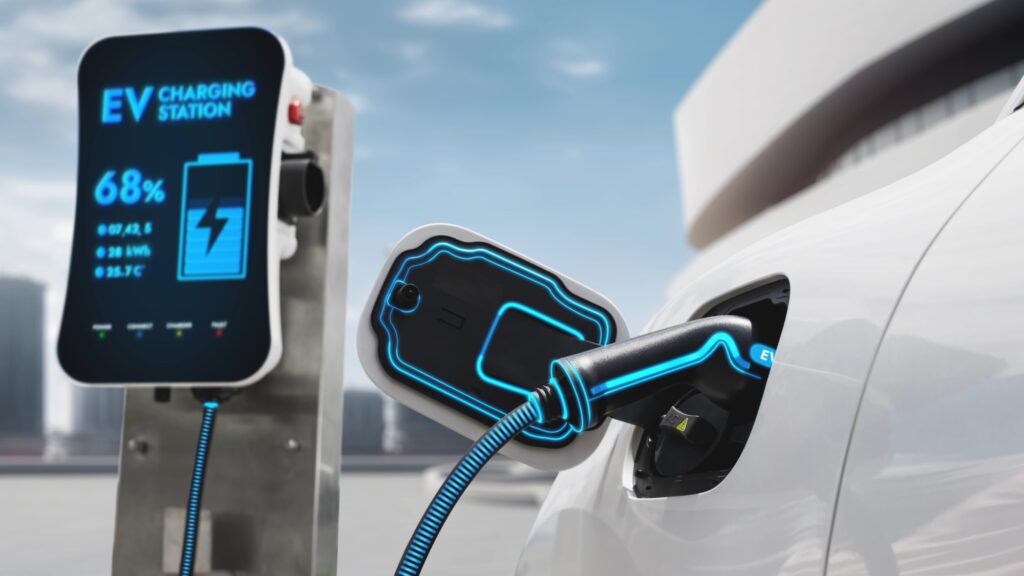
Spiral charging cables, also often referred to as “spiral cables,” offer a practical and space-saving solution for EV charging. Their spiral shape allows these cables to stretch and retract, meaning they take up less space and are less likely to become tangled than traditional straight cables. This makes them particularly convenient for use in cramped urban environments or for people who want to keep their charging cables tidy.
Spiral charging cables are available for both Type 1 and Type 2 connectors and can be used for both home charging and charging at public charging stations. However, they are limited in length due to their design, which means they may not be as flexible as straight cables when it comes to distance from the vehicle to the charging station.
Choosing the right EV charging cable for your needs
Choosing the right EV charging cable is essential to ensure that your electric vehicle is charged efficiently and safely. The choice depends on several factors, including the type of vehicle you own, the available charging station and your personal charging preferences.
When you buy a new electric vehicle, it often comes with a charging cable compatible with your car and the most common charging stations in your area. However, if you need additional cables or are looking for more flexibility, it’s important to know what type of connector your EV has and what charging speed you need.
Also, take the time to consider how and where you will charge your EV most often. If you primarily charge at home, a fixed wallbox with a Type 2 cable may be the most convenient option. If you are often on the road and depend on public charging stations, a mobile charging cable with a Schuko or CEE adapter may be a good investment. And for those who need fast charging, it’s important to have a compatible Chademo or CCS cable.