
The Timeless Appeal of Wood Flooring
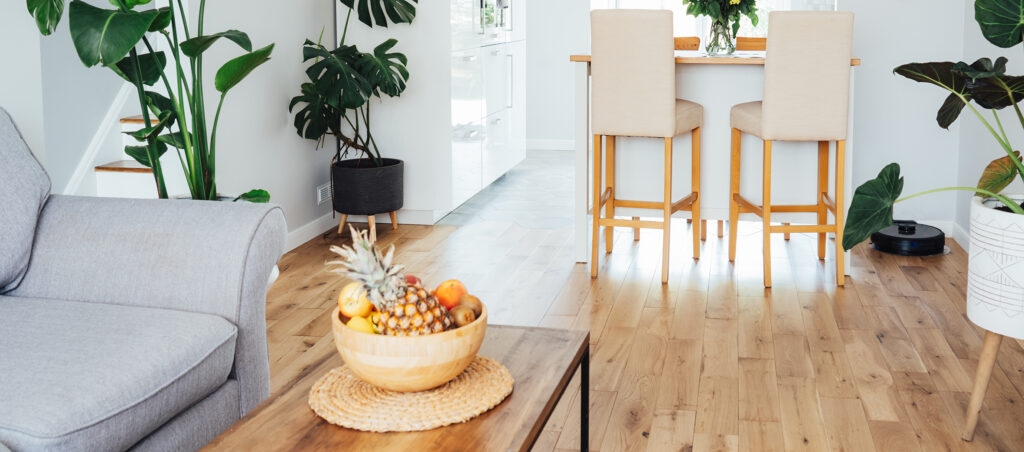
From the grandeur of palaces to the warmth of family homes, wood flooring has long been sought after, not just for its beauty but for the value it imparts to spaces. It represents more than just a foundation upon which we tread; it’s a testament to style, elegance, and durability. Wood, with its natural intricacies, has this unmatched ability to transform a space, making it feel grounded, authentic, and alive. In this post, we explore the essence of wood flooring and its versatile types, guiding you from its age-old charm to the modern alternatives that grace homes today. Whether you’re planning to revamp your abode or simply intrigued by the world underfoot, join us on this journey across the wooden plains of interior design.
The Ancient Charm: Solid Wood Flooring
Embracing Tradition and Mastery
The allure of solid wood flooring is timeless, capturing the essence of hand-crafted artistry and tradition. It takes one back to an era where each plank was carefully chosen, meticulously shaped, and placed with precision. The intricate grains, the gentle sheen, and the warmth it exudes speak volumes of an age-old classic that remains unparalleled in its elegance.
The Rich Tapestry of Solid Wood
Composition
Solid wood flooring stands true to its name. Crafted meticulously from a singular piece of timber, it can be sourced from a variety of trees, each offering its unique texture, colour, and charm. Whether you choose the softness of pine or the hard resilience of oak, what you get is unadulterated nature under your feet.
Pros
- Eternal Beauty with Care: One of the most endearing qualities of solid wood is its ability to rejuvenate. With periodic refinishing, it sheds the wear of time, revealing a surface that’s as pristine as the day it was laid.
- A Wise Investment: Beyond aesthetics, solid wood flooring enhances the value of a property. It’s not just a floor; it’s an investment that pays dividends in beauty and worth.
- Customization at its Best: The natural tones of wood are beautiful, but with versatile staining options, one can tailor the floor to echo the hues of their dreams, from deep mahoganies to light birches.
Cons
- Nature’s Vulnerability: While it offers unmatched beauty, solid wood is also susceptible to the whims of nature. Moisture can be its undoing, causing it to warp or swell. Additionally, external damages like deep scratches can mar its surface, though they can often be sanded away.
- Foundational Requirements: A firm foundation is essential for longevity. Solid wood flooring requires a wooden subfloor or underlay, ensuring stability and minimizing creaks.
- A Craftman’s Touch: Installation isn’t just about placing planks; it’s an art. To truly capture the magic of solid wood flooring, professional installation is recommended. This ensures that the flooring not only looks good but lasts for generations.

Modern Ingenuity: Engineered Wood Flooring
Bridging Past and Present
Engineered wood flooring gracefully blends the rich heritage of traditional wood with the advantages of modern engineering. It serves as an ode to our desire to evolve yet stay rooted in our past, ensuring that the warmth and aesthetics of wood remain accessible to many. This flooring option whispers tales of the old while resonating with the rhythms of contemporary life.
Layers of Engineered Excellence
Composition
At its heart, engineered wood flooring is a marvel of construction. Unlike the solid expanse of its predecessor, engineered wood is composed of multiple layers. These are meticulously bound together, culminating in a top veneer that showcases the genuine beauty of wood. Each layer plays a pivotal role, offering strength, durability, and the aesthetic charm of real wood.
Pros
- Friendly to Your Wallet: While it exudes the luxury of solid wood, engineered flooring is more cost-effective, making the dream of wooden flooring achievable for many.
- A Friend to Humid Spaces: Engineered wood stands defiant against humidity, making it an ideal choice for areas prone to dampness, such as basements or near bathrooms. Its layered construction reduces the risk of warping, ensuring beauty remains unmarred.
- Installation Innovation: One of the standout features of engineered wood is its flexibility in installation. It can be laid out as a “floating floor”, not being directly attached to the subfloor beneath. This not only simplifies installation but also allows for easier adjustments in the future.
Cons
- Time’s Toll: While it boasts many of the benefits of solid wood, engineered wood flooring does have a shorter lifespan. The top veneer, though genuine, is thin, which limits the number of times the floor can be refinished. Over the decades, as wear and tear make their mark, it might not offer the same longevity as its solid wood counterpart. Yet, with proper care, it promises to be a companion for many cherished moments.
The Doppelganger: Laminate Flooring

Mirroring Nature Without Its Foundation
It’s said that imitation is the sincerest form of flattery. Laminate is the epitome of this sentiment. While its heart may not resonate with the whispers of ancient forests, its surface convincingly reflects their beauty. Laminate flooring ushers in the aesthetics of wood without drawing directly from its essence.
Peeling Back the Layers of the Impersonator
Composition
Laminate flooring is a marvel of modern design and technology. It is constructed using multiple layers, each contributing to its durability and the final aesthetic. The crowning jewel of these layers is the photographic layer – a high-definition replica of wood. It’s this layer that allows laminate to don the cloak of different wood species, offering consumers the chance to experience the allure of wood, from oak to maple, at a fraction of the price.
Pros
- Armour Against the Everyday: One of laminate’s standout features is its remarkable resistance to scratches. For homes bustling with activity, be it playful children or pets, laminate offers a sanctuary against the wear and tear of daily life.
- Economy Meets Aesthetics: Embracing laminate means enjoying the visual splendour of wood without the accompanying price tag. It’s an economical choice that doesn’t compromise on visual appeal.
Cons
- Achilles’ Heel – Water: Laminate’s strength wanes when faced with water. Prolonged exposure or standing water can lead to damage, so it’s crucial to address spills promptly.
- Forgiveness is Not its Forte: Unlike some of its wooden counterparts, laminate doesn’t offer the option of a second chance. Damages, be they deep scratches or dents, can’t be sanded away or repaired. Instead, the affected plank typically needs replacement.
Have you ever marvelled at a floor, guessing its composition, only to realize it’s laminate? Such is the power of this flooring type. But with the beauty of a laminate floor comes the responsibility of its care. Cleaning the laminate floor is essential for maintaining its beauty and durability. As with any choice, it’s crucial to weigh its visual allure against its functional attributes. In which room would you consider laying out this chameleon of floors?
Synthetic Yet Authentic: Vinyl Wood Flooring (LVP)
The Master of Mimicry in Modern Flooring
While the idea of plastic floors might conjure images of sterile industrial spaces, the advancements in flooring technology have blurred these boundaries. Vinyl Wood Flooring, often termed Luxury Vinyl Planks (LVP), stands testimony to this evolution. Melding the charm of wood with the practicality of synthetic materials, LVP offers an experience that’s a perfect blend of the organic and the contemporary.
Deconstructing the Modern Marvel
Composition
Dive beneath its wood-like facade, and you’ll discover a world moulded entirely from plastic. These planks are intricately designed to mirror the nuances of various wood species, from the rustic knots of oak to the fine grain of maple. Unlike its natural counterpart, LVP doesn’t expand or contract with changes in moisture, thanks to its wholly synthetic makeup.
Pros
- Unfazed by Water: Perhaps one of the most significant assets of LVP is its inherent resistance to water. Whether it’s an accidental spill in the living room or the inherent dampness of a bathroom, LVP remains steadfast and undistorted, making it an excellent choice for moisture-prone areas.
- An Economic Revelation: Transporting the elegance of wood into homes without straining the purse strings, LVP is a boon for those seeking style on a budget. Its cost-effectiveness doesn’t detract from its aesthetic appeal, offering homeowners the best of both worlds.
Cons
- The Repair Dilemma: While LVP is durable, it’s not invincible. In the face of deep scratches or gouges, homeowners might find themselves in a quandary. Unlike wood, which can be sanded and refinished, damaged LVP often necessitates plank replacement. This process can be cumbersome, especially if the specific design or pattern has been discontinued.
Green Flooring: Bamboo Flooring
Nature’s Gift to Interiors
Flooring choices speak volumes about a homeowner’s preferences and beliefs. Bamboo flooring, in this context, stands out as a reflection of both taste and a commitment to the planet. Not just an eco-warrior, bamboo seamlessly marries sustainability with modern style, offering homes a touch of nature while making a gentle footprint on the environment.
Composition
At its core, bamboo might be deceptive. Although it originates from the grass family, its attributes are in stark contrast to its delicate counterparts. Harvested from the very roots of the bamboo plant, this flooring material is processed and crafted in a manner that bestows upon it a resilience rivalling traditional hardwoods.
Pros
- Eco-Elegance: Bamboo grows rapidly, maturing in just 3-5 years, a fraction of the time taken by hardwood trees. This accelerated growth rate means it can be harvested without causing significant environmental harm. Thus, opting for bamboo flooring is akin to giving a nod to eco-consciousness, a statement of responsibility.
- Moisture Maverick: Unlike many of its wood counterparts, bamboo has a natural resistance to moisture, making it suitable for regions with a slightly humid climate or for rooms like kitchens where spills might be frequent. With bamboo, you’re not just bringing nature indoors but also arming yourself against potential water woes.
Cons
- The Delicate Dance: For all its advantages, bamboo does have an Achilles heel. Its surface, though robust, can be prone to scratches, especially in high-traffic areas or homes with pets. It might be wise to consider rugs or protective pads in strategic spots.
- The Humidity Hurdle: While bamboo battles moisture well, extreme humidity can be its nemesis. Prolonged exposure to highly humid conditions can lead to warping or distortion. Hence, while bamboo is a boon in certain settings, it requires a watchful eye in others.
Mimicry at its Best: Wood Tile Flooring
Art Meets Imitation
There’s an age-old adage that says imitation is the sincerest form of flattery. Wood tile flooring is a testament to this, where the earthy, rustic charm of wood meets the robust, enduring nature of ceramic and porcelain. These tiles are masterpieces of craftsmanship, where the rugged texture and organic grains of wood are recreated with such precision that the lines between nature and artifice blur.
Composition
The foundation of wood tile flooring is not derived from the sprawling forests but from clay. Either ceramic or porcelain, these tiles are intricately crafted and fired at high temperatures, only to be adorned with patterns that mimic wood to perfection. The result? A doppelgänger so convincing it can easily fool the untrained eye.
Pros
- Water’s No Worry: One of the standout features of wood tile flooring is its near invulnerability to water. Unlike its natural counterpart, these tiles are impervious to moisture, ensuring longevity even in the dampest conditions.
- Sanctuary in Humidity: Rooms that are traditionally no-go areas for wooden flooring, like bathrooms or basements, can now bask in its semblance. Wood tile flooring stands unfazed where humidity reigns, offering both aesthetics and functionality to spaces that need it most.
Cons
- The Sensory Gap: For all its visual splendour, wood tile flooring does come with a tactile trade-off. Those yearning for the authentic warmth and cosiness of real wood might find these tiles a touch too cold, both literally and figuratively. They lack the soft, welcoming underfoot feel of wood, potentially making spaces feel less homey.
Conclusion
Your home’s flooring should be as personal and distinct as your signature. Instead of being swayed solely by trends or external opinions, anchor your choices in what resonates deeply with your intrinsic style and practical needs. Whether you value sustainability, durability, aesthetic appeal, or a blend of these, let your decisions be a reflection of your priorities.
From the timeless elegance of solid wood, echoing the stories of ancient groves, to the sustainable charm of bamboo, every type of wood flooring contributes its distinct verse to this narrative.
Choose wisely, and let your floors tell a story as unique and captivating as the life you lead upon them.


