
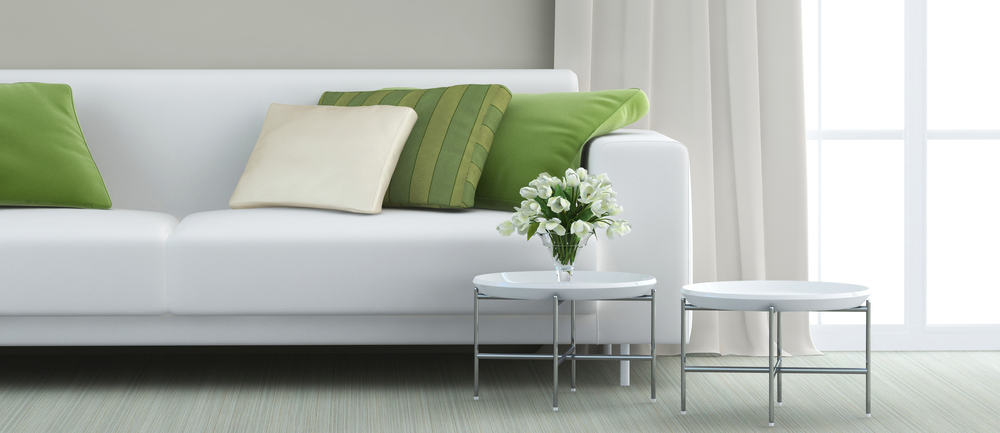
Minimalism has become a popular trend in recent years, especially when it comes to interior design. A minimalist home is known for its clean, uncluttered, and simple aesthetic that brings peace and tranquility to any space. Not only does it look beautiful, but it also promotes a more mindful and intentional way of living.
If you’re wondering how to achieve this minimalist look in your own home, here are some key tips and ideas that will help you get started.
Plan Your Vision

Before you embark on transforming your home into a minimalist haven, it’s important to first plan your vision. Start by evaluating the current state of your home and deciding which areas require the most attention. Consider what you want each room to look like and how it will function in your daily life.
Remember, minimalism isn’t just about having fewer items but about making space for what truly matters. You might find it useful to create a mood board or use virtual design tools to visualize your ideas. This planning phase is crucial to achieving a cohesive and balanced minimalist look in your home.
Declutter Your Space
The first step towards creating a minimalist home is to declutter your space. This means getting rid of anything that doesn’t serve a purpose or bring joy to your life. Start by going through each room and decluttering one area at a time.
Donate or sell items that you no longer need or use, and only keep the essentials. Many people find it useful to have three piles: one for items to keep, one for donation, and one for trash. This process may take some time, but it is essential in achieving a clutter-free and minimalist space.
Moving forward, make a conscious effort only to bring things into your home that you truly need and love.
Stick To A Neutral Color Palette
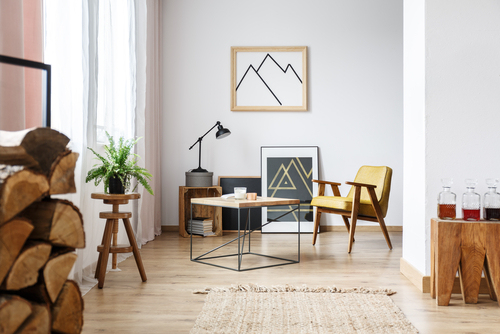
Minimalist homes are known for their clean and simple color schemes. Stick to neutral colors such as white, gray, beige, and black to create a calming and cohesive look throughout your space. Look for furniture and decor in these colors, and avoid too many patterns or bright colors that can disrupt the minimalist aesthetic.
If you do want to add a pop of color, opt for one statement piece rather than multiple brightly-colored items. This will create a focal point while still maintaining the overall minimalistic look.
Invest In Quality Furniture
Minimalist design is all about quality over quantity. Instead of filling your home with lots of furniture pieces, opt for a few high-quality and timeless pieces that will last you a lifetime. You’re aiming for clean lines, simple designs, and functional pieces that serve a purpose in your space.
Look for opportunities to recycle or upcycle quality older furniture or invest in sustainable and eco-friendly options.
Embrace Natural Light
Natural light is a key element of minimalist design. It not only makes your space look brighter and more spacious but also brings a sense of calmness and serenity. Make sure to keep your windows uncovered or use sheer curtains that allow for plenty of natural light to enter your home.
Where you do need to add artificial light, keep it simple and opt for stylish yet functional lighting fixtures. Also, consider the power of lightbulbs used to keep your space feeling as natural and calming as possible.
Opt for Minimalist Fixtures
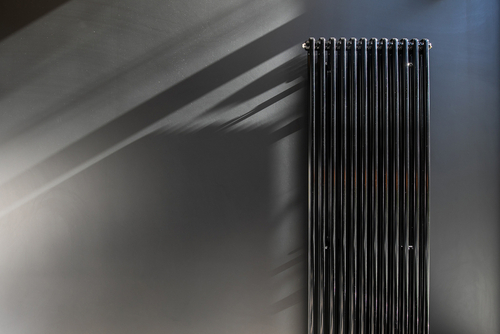
Lighting fixtures and hardware play a substantial role in achieving a minimalist aesthetic in your home. The minimalist design revolves around the concept of ‘less is more’; hence, when choosing fixtures, lean towards clean, simple, and functional designs. Opt for fixtures that blend seamlessly with your space rather than standing out.
In terms of hardware, such as door handles, cabinet pulls, and bathroom fittings, stick to a singular, muted finish like brushed steel, matte black, or chrome to maintain unity and simplicity.
Don’t forget that heating options can also be minimalist; designer vertical radiators, for example, can add style without being too much in your face.
Keep Surfaces Clean and Clutter-Free
One of the key principles of minimalism is to keep surfaces clean and clutter-free. This means no piles of papers, stacks of books, or random knick-knacks lying around. Instead, only display a few essential items, such as a potted plant or a carefully chosen piece of decor. This will create a more peaceful and visually appealing space.
Incorporate Natural Elements
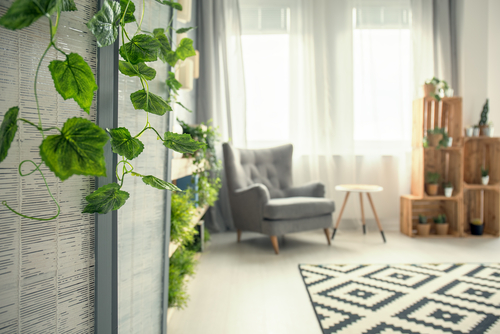
Natural elements such as wood, plants, and stone can add warmth and texture to a minimalist home. They also bring a sense of calmness and balance to the space. Consider adding some indoor plants, wooden furniture pieces, or natural stone accents to your home for a touch of nature.
If you’re looking for ideas for inside plants, we recommend Snake Plants, Golden Pothos, and Rubber Plants as they are easy to care for and look great in any minimalist space.
Don’t Be Afraid To Add Personal Touches
While minimalism is all about simplicity and decluttering, it’s also essential to make your home feel personal and lived-in. Don’t be afraid to add some personal touches, such as family photos, artwork, or sentimental items. Just make sure to keep it minimal and intentional so it doesn’t take away from the overall aesthetic.
Embrace Negative Space
One of the key elements of minimalist design is negative space, also known as white space. This refers to the empty spaces in a room, and it’s just as important as the objects in a space. Embracing negative space can make a room feel more open and airy, creating a sense of calmness and simplicity.
Conclusion
Embracing a minimalist aesthetic in your home is more than just a design trend—it’s a lifestyle choice that encourages simplicity, functionality, and intentionality. By decluttering your space, sticking to a neutral color palette, investing in quality furniture, and incorporating natural elements, you can create a home that is both visually pleasing and serene.
Remember, the essence of minimalism lies in making space for what truly matters to you. It’s about finding beauty in simplicity and cultivating a sense of peace and calm in your everyday environment. Take your time with this process, enjoy each step, and gradually, you’ll witness your home transform into a minimalist oasis.


