
While it can be fun to keep up with the top interior design trends of the time, more often than not, trendy styles can quickly become outdated.
If you’ve found a style you love that’s sadly fallen out of fashion, you don’t have to give it up! Just making a few small tweaks can help elevate the style and bring it into the modern day.
I explore some of the most popular yet outdated interior design trends of the last decade and how you can easily transition each style without breaking the bank…
Farmhouse

Lovers of the farmhouse style will be glad to know the style isn’t dead yet. But it has moved away from the cutesy pastel shades, word art and antiques galore that once dominated the trend. Nowadays it’s evolved into something more sophisticated.
Firstly, say goodbye to distressed furniture. While the shabby-chic look was all the rage in the early 2010s, clean lines and timeless pieces are the way to go. This can simply mean giving wooden furniture a fresh coat of paint or spray-painting metal fixtures.
And remember to bring in modern elements with high-end finishes to avoid your space looking too rustic. Mixing both modern and vintage pieces can help draw out the character of your home without going too OTT farmhouse.
70s Overload
Tile kitchen countertops, shag carpets and wood panelling everywhere has sent interior design into a time warp as of late.
But while some aspects of 70s interior design are questionable, there are certainly elements that you can keep hold of (in small doses).
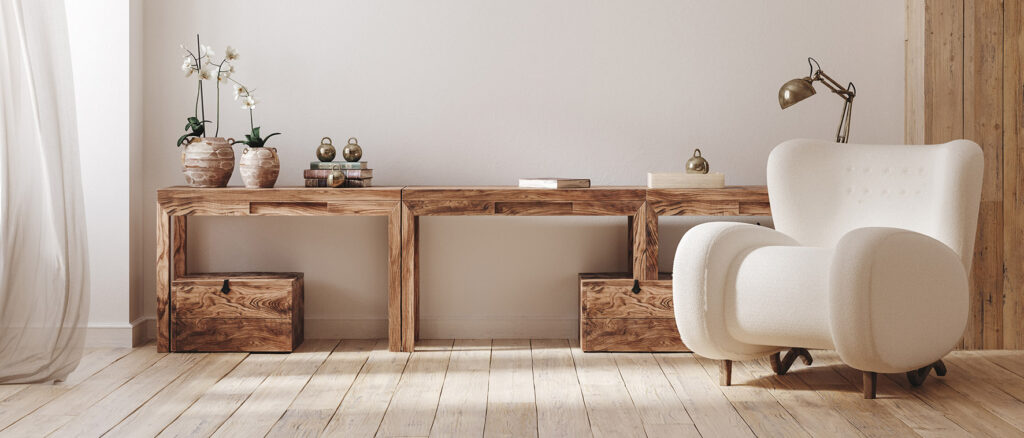
A modern take on 70s interiors should pair back the intensity of the style. For example, focus on texture and pattern in a minimalistic way. Warm earthy tones and wood features, while a core feature of most 70s homes, are timeless and will look great for any nature-inspired interiors.
Balance retro pieces with modern styles for a more eclectic approach to 70s influence. This will help your home look more curated without going overboard.
Urban Jungle
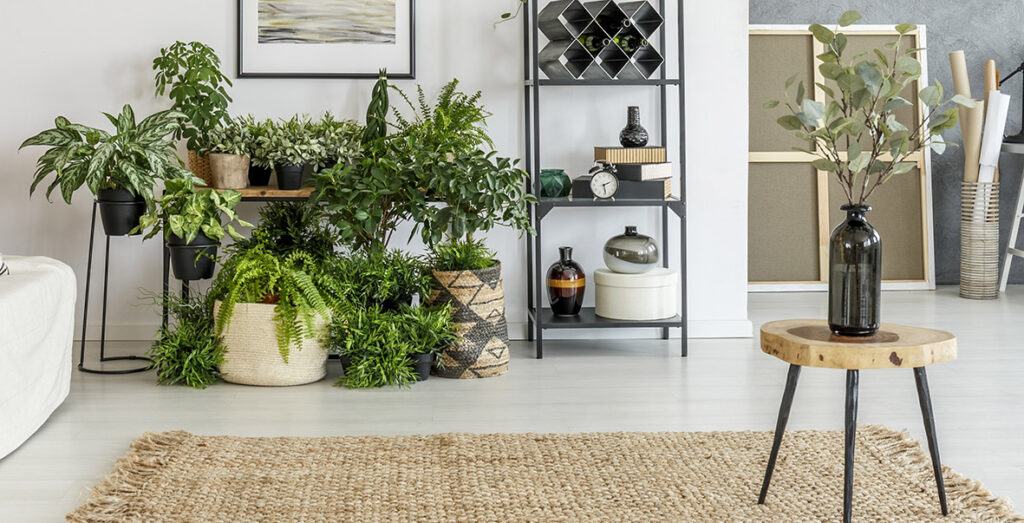
Bold palm print wallpapers, hot pink flamingos and golden pineapples were a sure way to make a statement and bring fun to interiors back in the late 2010s. But nowadays the look reads gaudier than tropical glam.
The good news is that maximalist interior design isn’t going anywhere anytime soon, so you don’t have to forgo colour – jewel tones, for example, make a great base for a wide range of styles that you can easily switch out.
Layering darker, moodier shades such as deep teals or plum shades contrasted with brighter pops of colour can give just as much wow factor as bold wallpapers.
Or, if you want your home to still feel like a tropical oasis, why not simply introduce a range of exotic plants to your home? Biophilic design is one of the most popular trends for the 2020s, with more people looking to bring the outdoors in.
Coastal
Anchors, shiplap and seashells truly only belong on the beach. But that’s not to say you can’t welcome inspiration from the ocean into your space.
Coastal-themed rooms should exude a laid-back attitude, brightness and most importantly tranquillity.
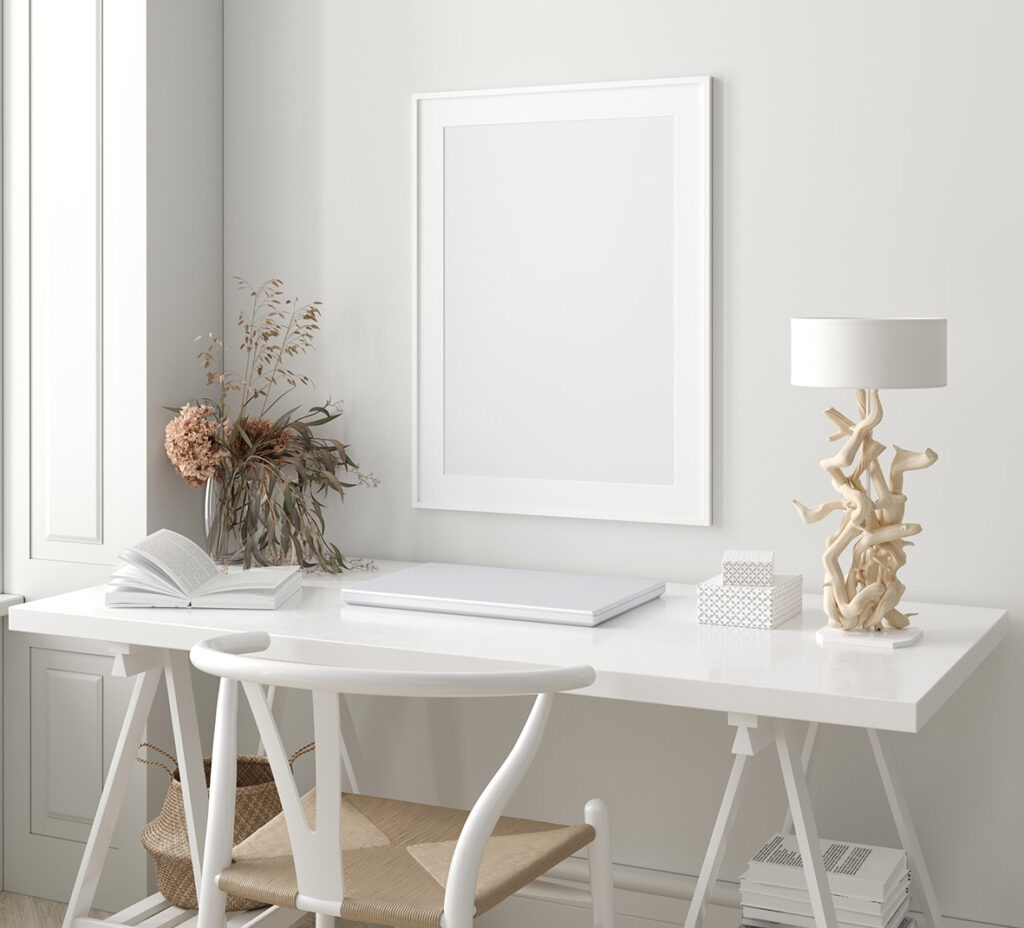
Subtlety is key when it comes to effectively designing a coastal-themed room, so avoid any motifs that are too obvious. Instead incorporate textures reminiscent of the beach such as driftwood, seagrass and rope for a subtle nod to your coastal theme.
Alternatively, why not try Mediterranean styles for a more subtle nod to the sea? This gives you more flexibility over colour schemes, with warmer earthier tones such as corals, teals and mustard yellows a common theme as well as traditional white and blue.
By Anne Haimes, Design Director and Founder of Anne Haimes Interiors
Tips to create a hotel bed at home
https://cravemag.co.uk/5-must-haves-in-a-modern-high-end-kitchen


